How AI Is Changing Photography: From Shooting to Editing
If you have paid even a little bit of attention to the tech world lately, you have seen the pattern. Artificial intelligence is eating everything. It is powering the chatbots we talk to and driving the cars we sit in. Now it has come for photography, and the shift feels personal.
The old days of photography were defined by physical limitations. You had to have patience. You had to smell like chemicals in a darkroom or spend hours squinting at a computer monitor. Those days are fading fast.
In 2026, the camera is no longer just a passive tool. It has become an opinionated partner. It thinks for you. And in the near future, it will be able to suggest the best angles and even edit the files before you have a chance to look at them yourself. The industry is currently in a state of shock, mixed with excitement.
Smarter Cameras with Built-In AI
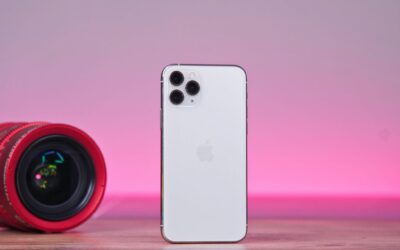
Cameras used to be simple boxes with a piece of glass on the front. That era is over. Modern cameras are powerful computers that happen to have lenses attached. The new flagship models from giants like Sony and Canon are packed with neural networks. The same goes for the computational beasts in our pockets, like the latest iPhones and Pixels.
The autofocus systems in 2026 are honestly terrifying. They lock onto the eye of a bird or a speeding car and simply refuse to let go. It does not matter if you are shooting in a dimly lit alley or a chaotic sports arena. The hit rate is nearly perfect.
But the cameras are doing more than just focusing. They are reading the room. Some even recognize the scene instantly and tweak the exposure to match.
It effectively splits the market into two groups. You have the basic point-and-shoots, and then you have these AI-powered rigs that make professional-quality images accessible to absolute beginners. It is amazing, but it definitely makes you wonder how much skill is left in the process.
The Assistant on Your Shoulder
The help does not wait until you get home to your desk. AI is working actively while you are out in the field. We call this computational photography. The device captures a rapid burst of images and stacks them together instantly to kill noise or pull details out of the shadows. This used to require a tripod and five minutes of setup. Now it happens in a fraction of a second.
This year, we have features that feel like magic. You can remove a photobomber from the background before you even take the picture. It can feel a bit like having a nagging assistant hovering over your shoulder.
Street photographers are using tools that highlight the peak moment in a sequence so they never miss a beat. It saves a lot of time. However, it also changes the thrill of the hunt. You spend less time chasing the moment and more time just capturing what the machine points out to you.
The Boring Part is Finally Gone
If you ask any wedding photographer what they hate most about their job, they will tell you it is culling. Nobody wants to sort through four thousand images to find the five hundred good ones. It is a soul-crushing task. This is where AI has become a genuine lifesaver.
New tools like Aftershoot, Imagen, and Culling Studio can rip through an entire library in just a few minutes. They do not just pick random files. They know which photos are sharp. They know which ones have good composition. They even flag the shots where someone blinked.
Once the selection is made, the software learns your personal style. If you like your photos warm and moody, the AI applies that look to thousands of images automatically. Programs like Lightroom and Luminar have integrated this deeply.
Pros report that this cuts their desk time by seventy percent or more. That is not just efficiency. That is getting your life back.