


PHOTOGRAPHY AS A LEGACY
Traditions are what every family is built on. They are passed down from generation to generation, and knowledge of family history allows you to redefine your role in the world. It’s important for every photographer to decide what meanings they want to be a part of. What he creates beyond photographs for his clients. Why people actually come to him. My Photography as Heritage is about connection of generations, about family values, about how it is important to be a family, to support each other, to give warmth and attention. Life is fleeting and unpredictable and the family gives a sense of stability and protection, is the platform where a person ripens, feeding on the energy of love. It is in this moment when internal values and desire to share this idea with the world are connected, vision and unique style is born. Thank you for choosing me as your family photographer and trusting me with the most precious things.
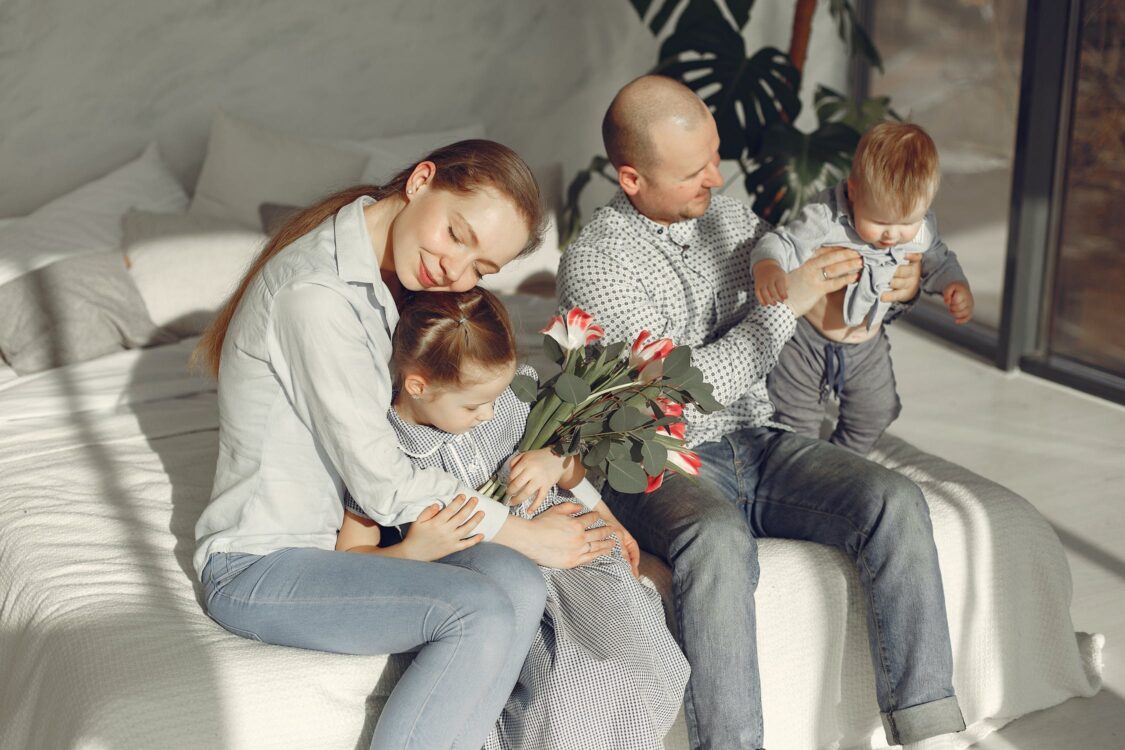
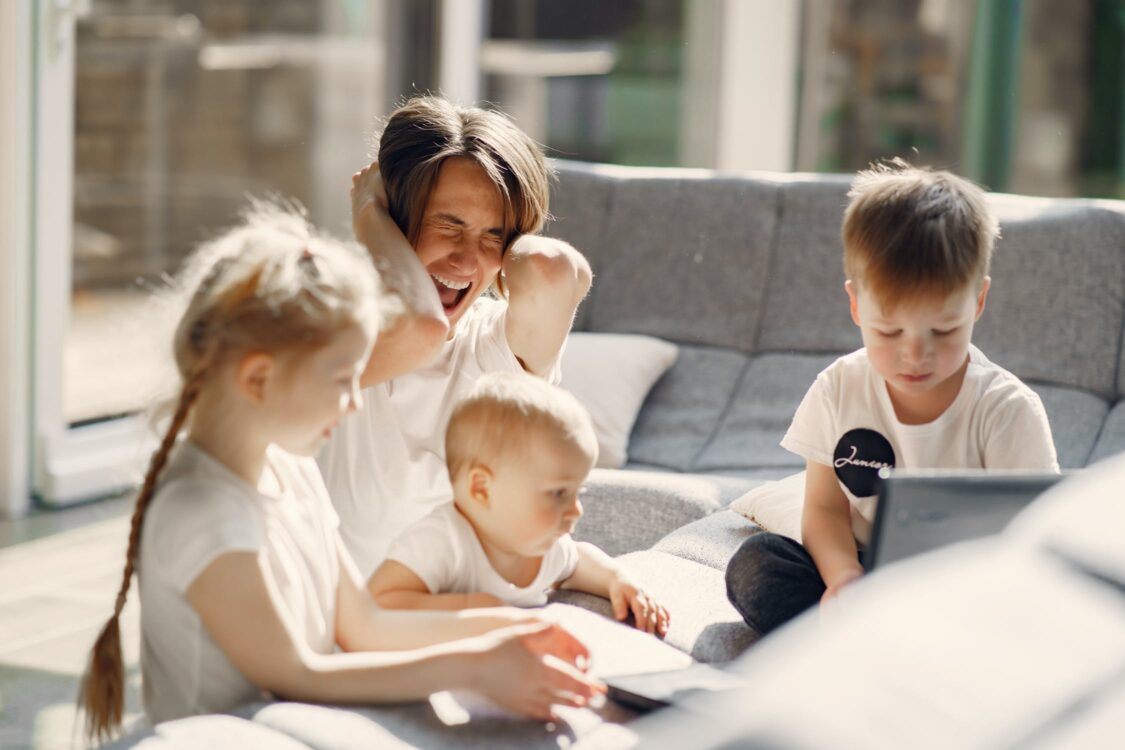
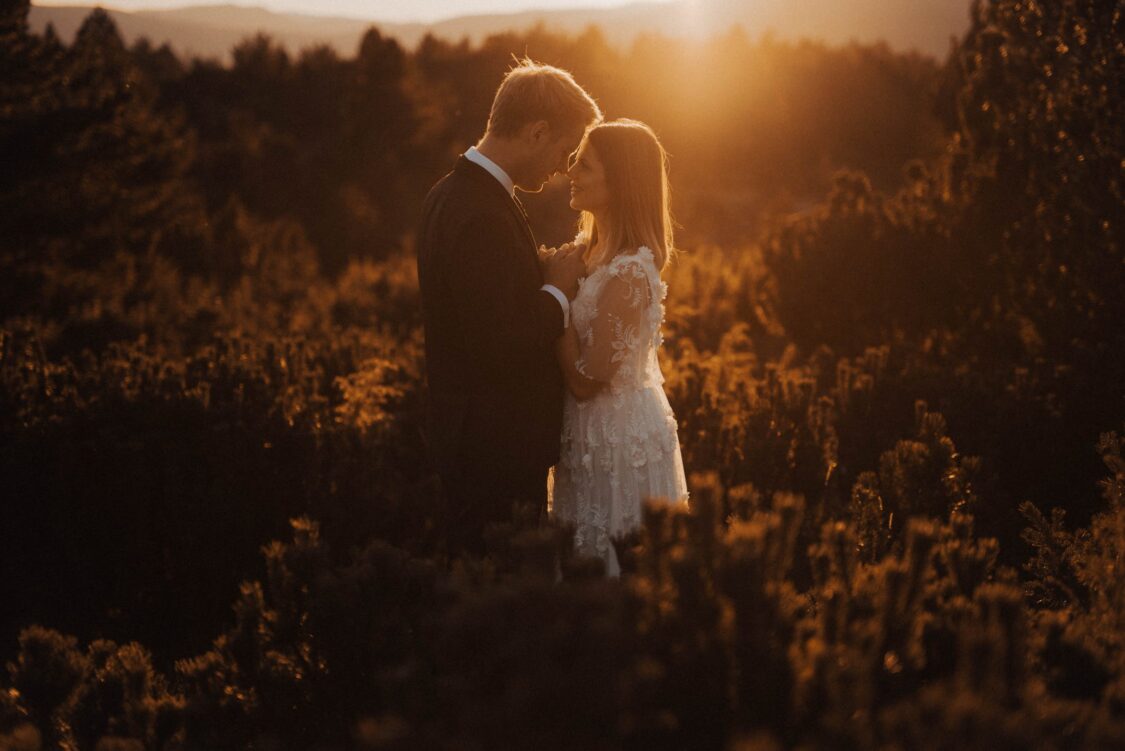
Do you want your children to remember all the feelings that now reign in your family and pass them on to other generations? Remember what it’s like to see your ancestors in an old worn-out picture and share that wonder with today’s generation!
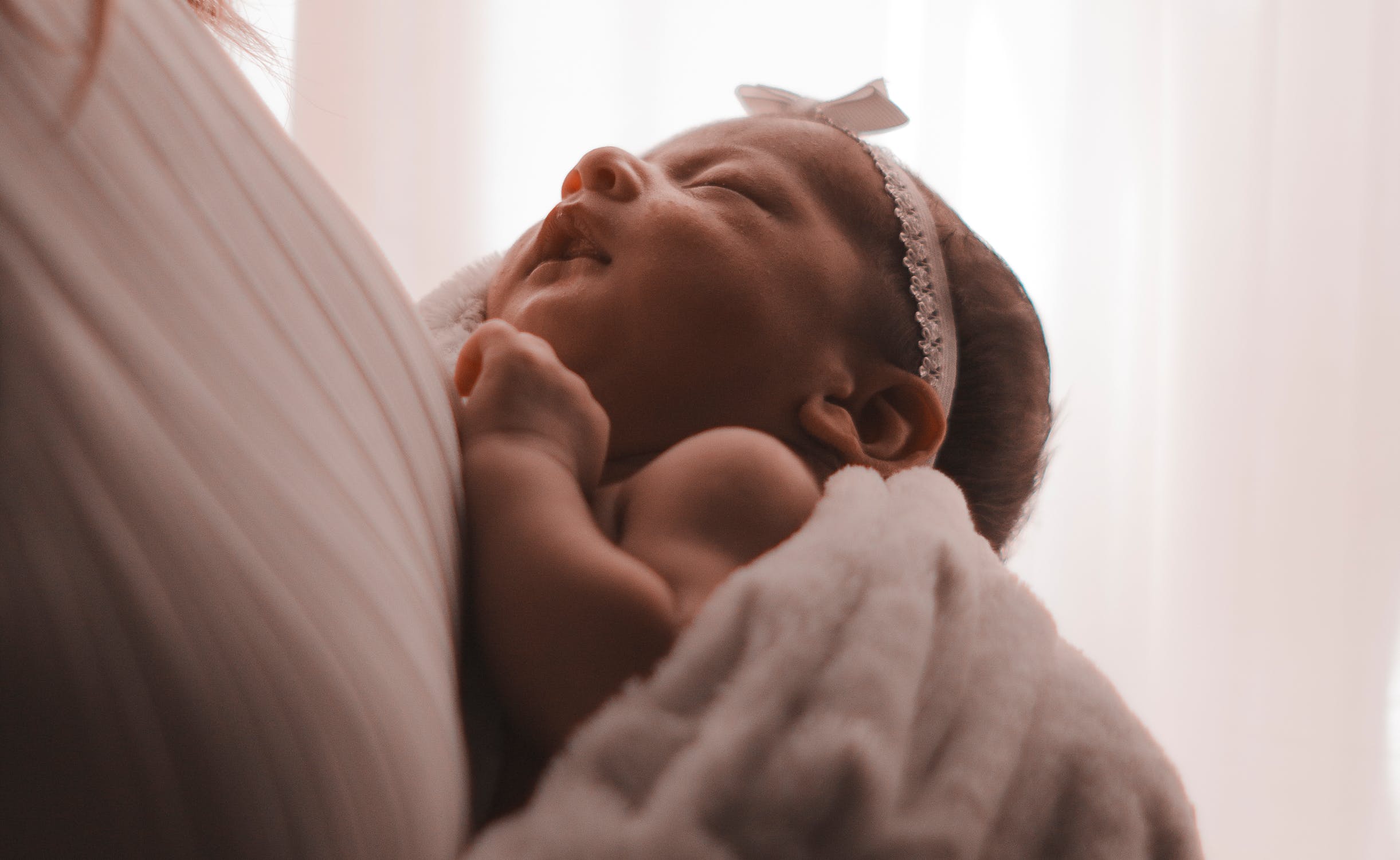
WHAT DO YOU GET, BY BOOKING A FAMILY PHOTO SHOOT WITH ME?
- Pictures as a proof of happiness that is not afraid of time.
- Incredible memories from the process of photography. Here everyone realizes its significance. I promise you the most comfortable shooting atmosphere.
- Shooting with no time limit – until we take the pictures you have dreamed of.
- The opportunity to create legacy photos that others will not have! I am always glad to receive your ideas about family photo shooting in Saint-Petersburg and other cities and even allow to choose the best shots in your opinion.
- The photo book uniting all your feelings in one album. The author’s style of my photobooks is minimalism because I necessarily put your family in the first place!
- To become the heroes of my photo stories you just need to leave an application on the website or contact me by phone.
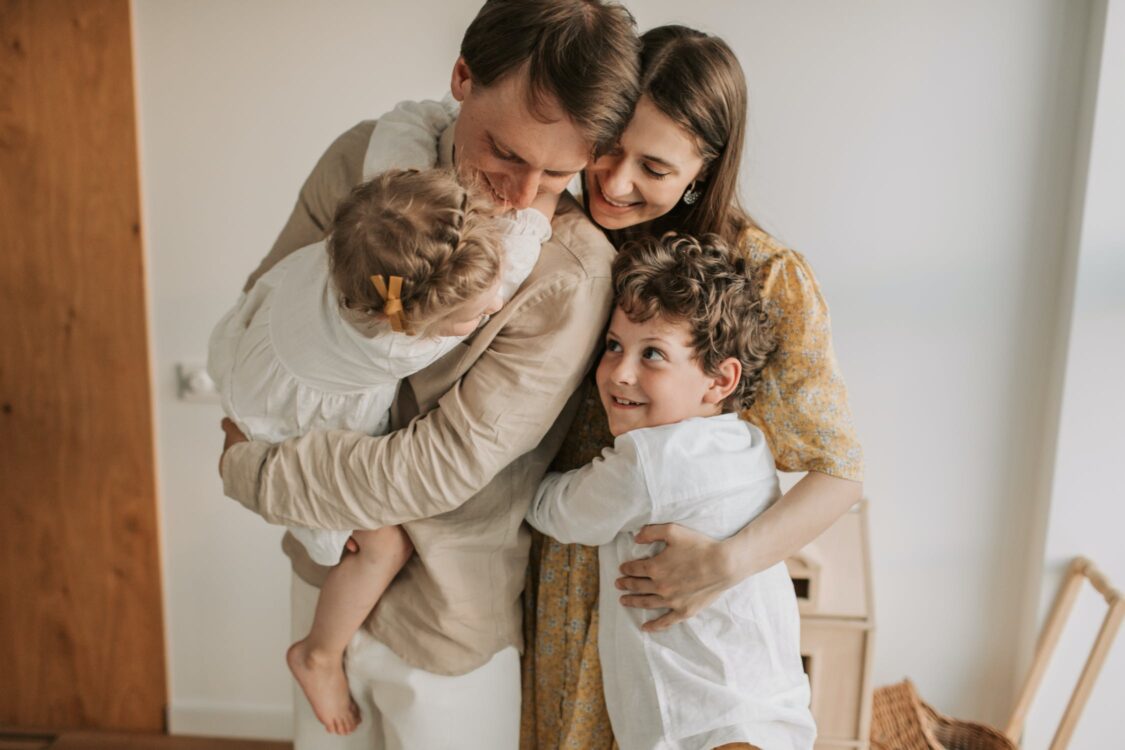
FAMILY PHOTOGRAPHER
Katherine Frye
I will help you make an invaluable contribution to the history of posterity. You will receive a universal means of strengthening the family, because in my pictures there is always tenderness, support and the power of true love. Regardless of the type of work – maternity, newborn or family photo shoots – I maintain my signature style of family photography.
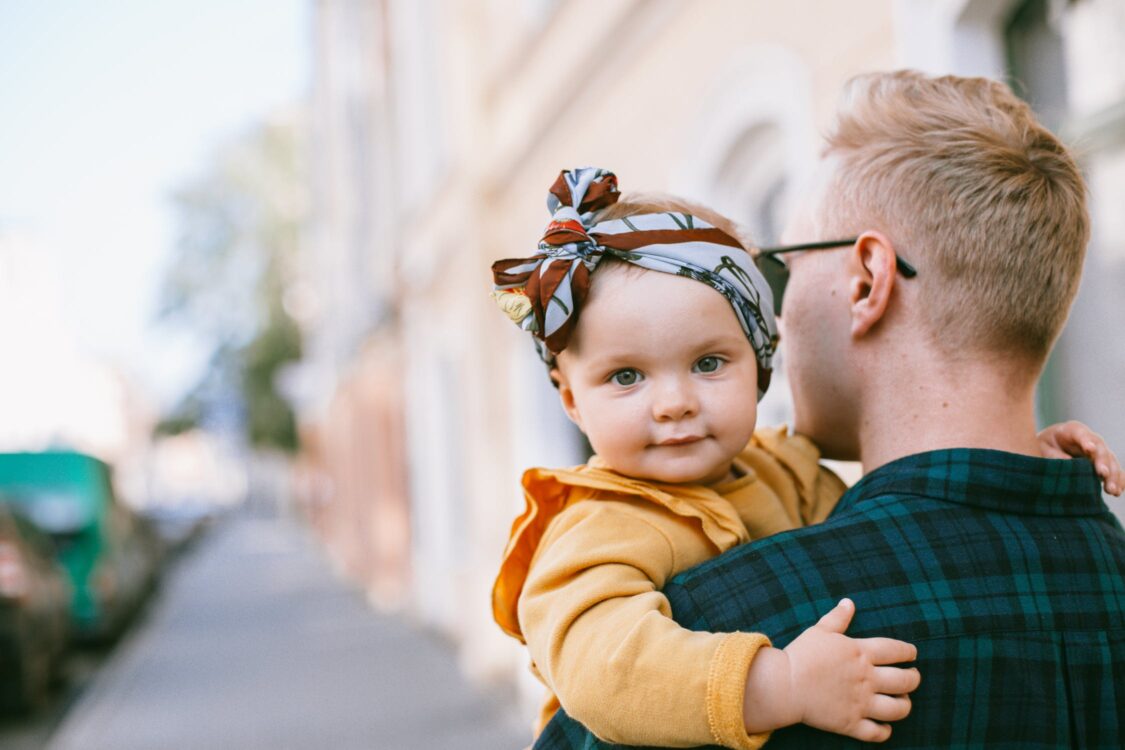
Attention! This is an official announcement. Participation in my photo shoots implies the right to use the resulting photos in my portfolio, including on the Internet, on my website and group(s) in social networks, for participation in exhibitions and competitions, publication in magazines, on any printing media, to demonstrate my work in any media projects, web resources, in professional catalogs, for demonstration on TV.
If you are against the public use of photos of your participation, please inform me about it in advance, in this case, the shooting will be made under conditions of confidentiality. By choosing me as a family photographer, you thereby agree to the style of my photography and the specifics of the style of processing your photos.
All the presented photo and video materials belong to the photographer Katherine Frye. Copying and reprinting of materials, any use of them without the consent of the author in commercial and noncommercial purposes without the permission of the copyright holder is prohibited and is a violation of copyrights!














Blog
- Do Photographers Need Your Permission to Post Your Images?
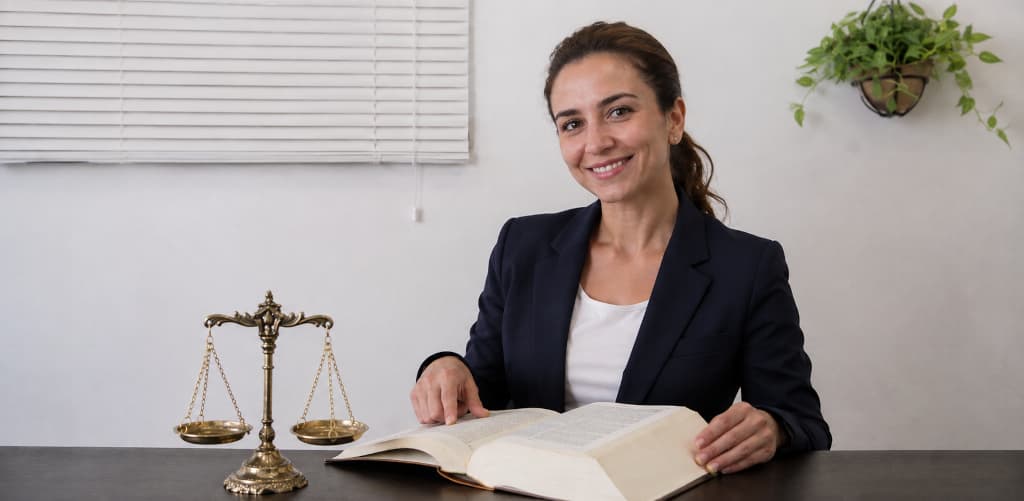 If you hire a photographer, you might think the photos are private unless you say otherwise. Photographers often see it differently. Many clients are surprised to find… Read more: Do Photographers Need Your Permission to Post Your Images?
 - Best Target Pools for RV Practice: What Makes a Good Photo?
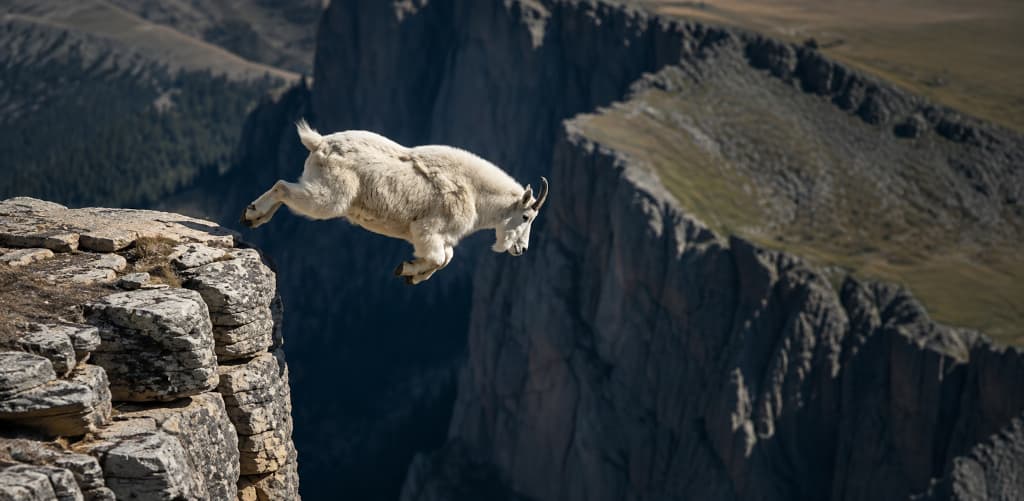 Photos are not all equal. Some photos carry more signal because they show motion, emotion, contrast, texture, sound, water, fire, people, unusual structures, or a strong environment.… Read more: Best Target Pools for RV Practice: What Makes a Good Photo?
 - The Best NYC Locations for Each Season and Why Timing Matters
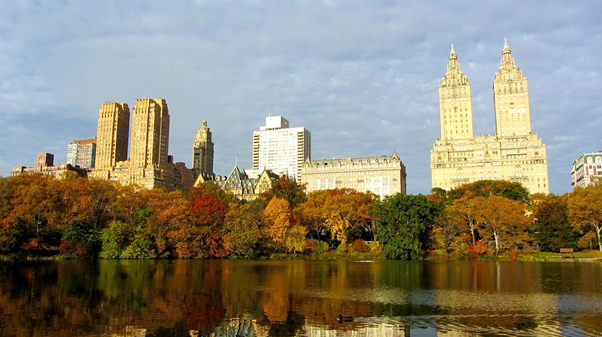 New York has plenty of locations for family photo shoots, and their appearance depends entirely on the time of year. Small street parks, waterfronts, and industrial piers… Read more: The Best NYC Locations for Each Season and Why Timing Matters
 - What to Do Before a Family Photoshoot? – Easy Preparation Guide
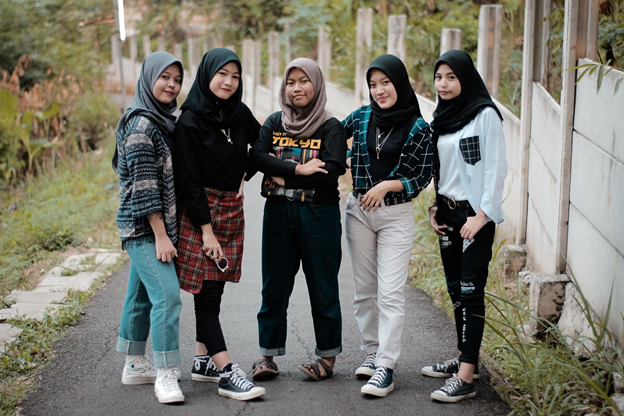 Family photo shoots are a significant means of preserving important memories for several years. They serve as testaments to the occurrence of moments which families share together.… Read more: What to Do Before a Family Photoshoot? – Easy Preparation Guide